Your team's regulatory co-pilot.
BRUCE gives your design and construction teams an always-available Life Safety Code expert. Ask questions in plain English. Get answers grounded in traceable regulatory logic.
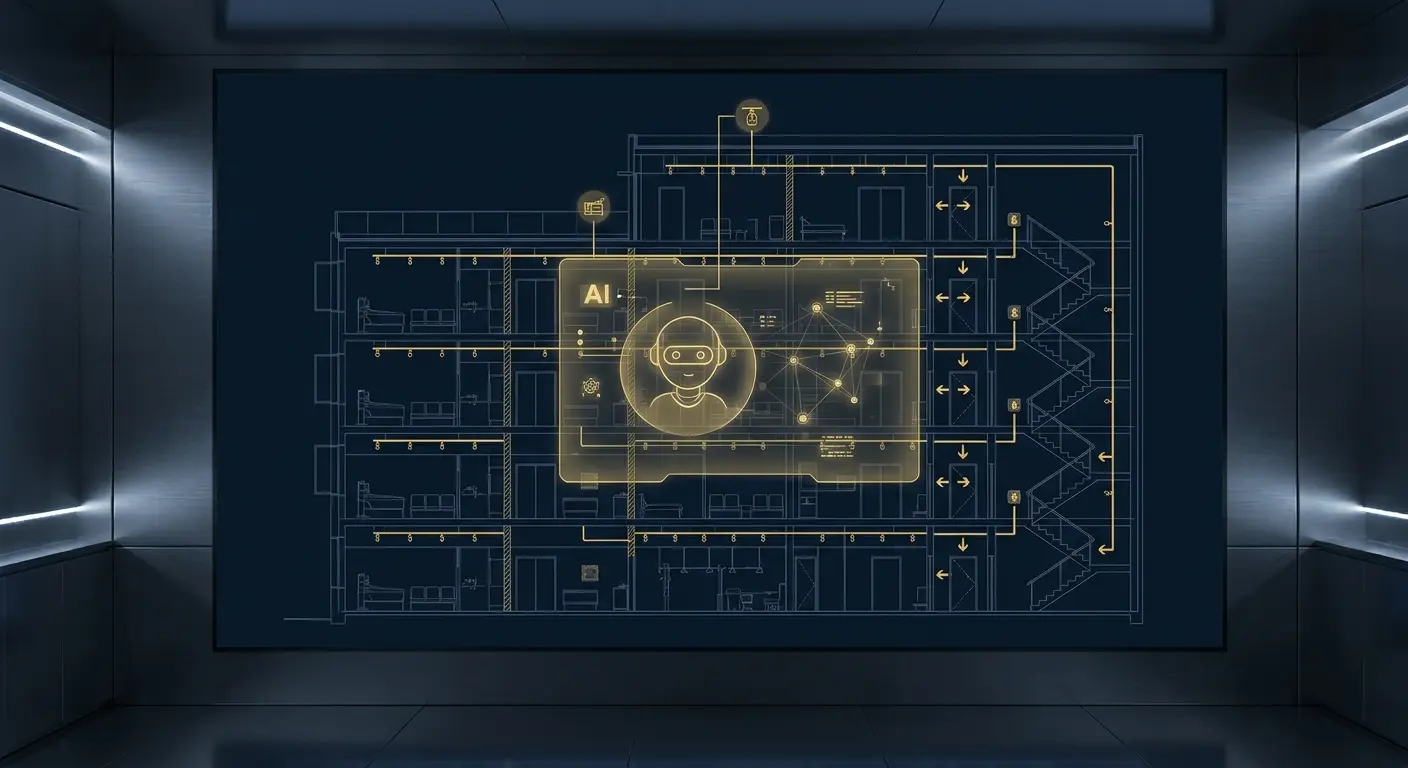
Your clients trust you to know the code.
Healthcare facility design requires navigating NFPA 101, CMS requirements, state amendments, and local codes simultaneously. One missed requirement can delay a project by months.
Code Complexity
The Life Safety Code path is deep: CMS CoPs, NFPA 101, NFPA 72, NFPA 13, NFPA 25, state fire codes, local amendments. Keeping current across all of them is a full-time job.
Project Delays
A code interpretation error discovered during plan review or construction can add weeks or months to your timeline and erode client trust.
Knowledge Gaps
Not every team member has 20 years of healthcare facility experience. Junior staff need a reliable resource for code questions that arise during design.
BRUCE: Your regulatory co-pilot for design teams.
BRUCE (Building Regulatory Understanding & Compliance Engine) gives your team an always-available Life Safety Code expert. Ask questions in plain English. Get answers grounded in traceable regulatory logic.
- Natural language code queries for any NFPA section
- Every answer traceable to specific code references
- Design review support for healthcare projects
- Code path navigation (CMS to NFPA to state to local)
- Team-wide access for consistent code interpretation
"What are the corridor width requirements for an existing healthcare occupancy with a sprinklered building under NFPA 101?"
BRUCE: Per NFPA 101 Section 18.2.3.4, corridors in existing healthcare occupancies shall be not less than 8 ft (2440 mm) in clear width where serving as access to patient sleeping rooms...
Ready to see what a surveyor would find?
Join the Founders Cohort. 25 spots. $3,450 locked for life. September 30 deadline.